
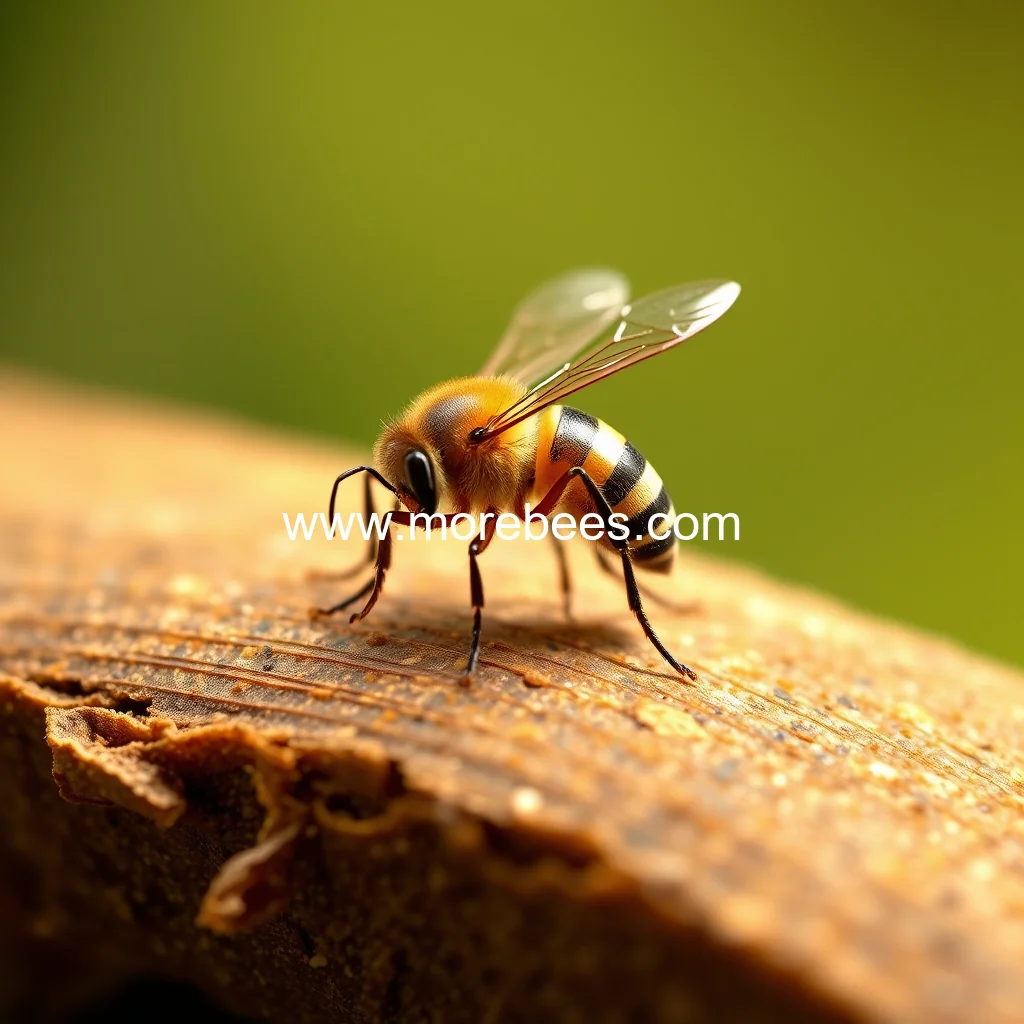
The Importance of Honey Bees in Australian Agriculture
Honey bees play a vital role in Australian agriculture, contributing significantly to the country’s food production. According to recent estimates, honey bees pollinate around $4.6 billion worth of food in Australia each year.
He has seen the devastating impact it has on bee colonies, resulting in significant losses for beekeepers.
The Varroa Mite: A Threat to Bee Colonies and Stone Fruit Production
Understanding the Varroa Mite
The varroa mite is a parasite that infests honey bee colonies, causing significant damage to the bees and the honey they produce. The mite feeds on the hemolymph of bees, weakening them and making them more susceptible to disease.
Pandemic hits beekeeping industry hard, but varroa crisis not as dire as thought.
However, Bianca Giggins, the varroa coordinator for the Australian Honey Bee Industry Council, has expressed concerns that the current situation is not as dire as some might think.
The Varroa Crisis: Separating Fact from Fiction
The varroa mite infestation has been a major concern for beekeepers in Australia for several years. The mites have been linked to the decline of honey bee colonies, and the situation has been exacerbated by the COVID-19 pandemic.
The Impact of the Pandemic on Beekeeping
The COVID-19 pandemic has had a significant impact on the beekeeping industry in Australia. With many beekeepers forced to suspend their operations due to lockdowns and social distancing measures, the industry has been severely affected.
The Varroa Mite Crisis
The varroa mite infestation has been a significant issue for beekeepers worldwide, causing widespread damage to bee colonies and threatening the global honey bee population. The varroa mite is a parasitic insect that feeds on the blood of bees, weakening their immune systems and making them more susceptible to diseases.
The Impact on Bee Colonies
The varroa mite infestation has severe consequences for bee colonies.
The Varroa Mite: A Threat to Honey-Bee Colonies
The Varroa mite is a tiny, eight-legged arachnid that has become a significant threat to honey-bee colonies worldwide. This parasite has been linked to the decline of honey-bee populations, and its impact is being felt across the globe.
The Life Cycle of the Varroa Mite
The Varroa mite’s life cycle is complex and involves several stages. The mites undergo a process called “diapause,” where they enter a state of dormancy during the winter months. This allows them to survive the cold temperatures and emerge in the spring when the weather warms up. The mites feed on the hemolymph of honey-bee workers, which is a nutrient-rich fluid that circulates through the bee’s body. The mites also feed on the wax produced by the bees, which can weaken the colony’s defenses. As the mites feed, they inject saliva into the bee’s body, which can cause an allergic reaction and lead to the death of the bee.
The Impact of the Varroa Mite on Honey-Bee Colonies
The Varroa mite’s impact on honey-bee colonies is multifaceted. The mites can weaken the colony’s defenses, making it more susceptible to disease and pests. They can also transmit viruses to the bees, which can further weaken the colony. The Varroa mite is a vector for the American foulbrood virus, which is a highly infectious and deadly disease that can wipe out entire colonies. The mites can also transmit the deformed wing virus, which can cause bees to develop deformed wings and reduce the colony’s ability to forage.
The Varroa Mite: A Silent Killer of Bees
The varroa mite is a tiny, eight-legged arachnid that has been wreaking havoc on bee colonies worldwide. This microscopic menace has been linked to the decline of bee populations, and its impact is felt across the globe.
The Spread of Varroa Mites
The varroa mite is a parasite that feeds on the blood of bees, weakening their immune systems and making them more susceptible to disease.
Pollination is key to horticulture’s success, but its decline threatens the industry’s future.
The Importance of Pollination in Horticulture
Pollination is a vital process in horticulture, as it enables the reproduction of plants and the production of fruits, vegetables, and seeds. Without pollination, many crops would be unable to reproduce, resulting in significant economic losses for farmers and the food industry. Key pollinators include bees, butterflies, and other insects, as well as bats and hummingbirds.
The Impact of Pollinator Decline on Horticulture
The decline of pollinators has significant implications for the horticulture industry. In Australia, the loss of pollinators could result in:
The Need for a National Pollination Strategy
Given the importance of pollination in horticulture and the potential consequences of pollinator decline, it is essential that Australia develops a national pollination strategy.
The importance of bees in food production cannot be overstated.
Bees are responsible for pollinating around 75% of the world’s crops, including fruits, vegetables, and nuts.
The Importance of Bees in Food Production
The Role of Bees in Pollination
Bees play a crucial role in pollination, which is the process of transferring pollen from one plant to another.


