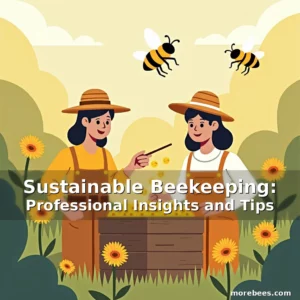
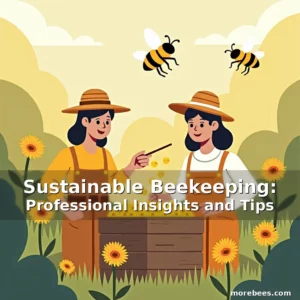
The Art of Sustainable Beekeeping: Cultivating Harmony Between Bees and Nature
In an era where environmental consciousness shapes every aspect of our lives, sustainable beekeeping emerges as a vital practice that harmonizes human activity with nature’s rhythms. This approach not only supports honeybee populations but also fosters biodiversity by maintaining healthy ecosystems. As we delve deeper into the world of sustainable beekeeping, we uncover how thoughtful practices can ensure both the survival of these essential pollinators and the prosperity of beekeepers.
Sustainable beekeeping goes beyond traditional methods; it involves integrating ecological principles with apicultural techniques. By prioritizing natural habitats, reducing chemical use, and promoting genetic diversity among bees, practitioners contribute significantly to global efforts against habitat loss and climate change impacts on pollinator health. The following exploration will illuminate various facets of this noble endeavor through practical strategies and insightful observations from experienced beekeepers around the globe.
Eco-Friendly Hive Management Practices
Effective hive management forms the cornerstone of sustainable beekeeping. Traditional hives often require frequent interventions that disrupt colony dynamics and expose bees to unnecessary stressors. In contrast, eco-friendly approaches emphasize minimal interference while ensuring optimal conditions for colony growth and productivity.
A key component of this strategy lies in selecting appropriate hive types designed for sustainability. For instance, Langstroth hives remain popular due to their modular design which allows easy expansion without excessive resource consumption during construction. However, newer designs such as top-bar hives offer additional benefits by mimicking wild environments more closely, thereby supporting natural swarming behaviors crucial for population regulation within colonies.
- Hive Material Selection: Opting for locally sourced timber minimizes transportation emissions associated with imported materials. Additionally, using untreated wood reduces exposure risks posed by synthetic chemicals potentially leaching into nectar or pollen stores over time.
- Natural Ventilation Systems: Proper airflow prevents moisture buildup inside hives—excess humidity being detrimental to brood development—and mitigates disease spread caused by mold spores thriving under damp conditions.
Regular maintenance routines must align with seasonal cycles rather than rigid schedules imposed by conventional standards. Observing local weather patterns helps determine ideal times for inspections or adjustments instead of adhering strictly to fixed intervals regardless of external factors affecting colony behavior naturally.
This adaptive mindset extends even further when considering swarm prevention measures. Rather than resorting solely to artificial controls aimed at suppressing natural tendencies towards swarming, sustainable beekeepers encourage controlled relocation opportunities whenever feasible. Such actions not only respect inherent biological processes but also help maintain stable population levels across different geographical regions experiencing varying degrees of floral availability year-round.
Pesticide-Free Landscaping Strategies
Cultivating pesticide-free landscapes plays a critical role in sustaining robust bee populations capable of fulfilling their ecological responsibilities effectively. Chemical pesticides pose severe threats ranging from direct toxicity leading to immediate fatalities up through chronic impairments affecting navigation abilities necessary for successful foraging missions.
To mitigate these dangers entirely, responsible land stewardship requires careful selection of non-toxic alternatives compatible with agricultural needs yet harmless toward beneficial insects including bees themselves. Integrated Pest Management (IPM) frameworks provide structured methodologies guiding decisions regarding pest control options based upon thorough assessments conducted regularly throughout growing seasons.
Implementing IPM begins with accurate identification of target pests followed by evaluation of potential solutions available—from mechanical removal techniques suitable for small infestations right up through targeted application protocols involving biopesticides derived from naturally occurring substances known to deter unwanted organisms selectively without harming native species present simultaneously within same ecosystem.
Complementing these efforts are companion planting initiatives wherein strategically chosen plant varieties serve dual purposes serving both aesthetic appeal alongside functional roles enhancing overall garden resilience against invasive species encroachment threatening crop yields globally today. Marigolds exemplify excellent choices here owing largely thanks primarily because they exude compounds repelling nematodes commonly found beneath soil surfaces impacting root systems negatively unless adequately managed proactively before becoming problematic later down line.
Beyond individual gardens however broader community involvement proves equally instrumental towards achieving widespread adoption rates sufficient enough creating safe havens spanning vast territories inhabited collectively by numerous interconnected networks reliant heavily upon cross-pollination facilitated mainly via diligent work performed daily by tireless worker bees tirelessly collecting nectars & pollens required feeding entire ecosystems sustainably over long periods ahead.
Supporting Native Pollinators Through Habitat Enhancement
Creating diverse habitats rich in flowering plants offers significant advantages extending well beyond mere provision food sources alone; indeed it facilitates establishment stronger resilient communities composed varied pollinators working synergistically together contributing immensely toward preserving delicate balance maintained across planet Earth’s biosphere.
Native flora typically possesses evolutionary adaptations making them particularly effective at attracting local insect lifeforms compared foreign imports introduced artificially outside original geographic ranges usually struggle competing successfully against indigenous counterparts already established firmly entrenched niches within respective environments prior any disturbances occurred centuries ago.
Diverse plant selections encompassing wide array bloom periods ensures continuous supply nutrients needed nourishing pollinators throughout extended seasons allowing uninterrupted reproductive cycles essential maintaining viable populations capable adapting rapidly evolving climatic conditions faced increasingly frequently nowadays.
Moreover incorporating structural elements such deadwood piles fallen logs hollow stems etc provides shelter nesting sites critical phases lifecycle especially solitary bee species lacking access communal structures typical social Hymenoptera groups rely upon exclusively.
Collaborative projects initiated municipalities organizations individuals alike demonstrate power collective action fostering greener spaces benefiting countless creatures sharing common home planet earth reminding us importance nurturing relationships formed naturally overtime rather imposing artificial constructs attempting dominate forces shaping world around us now.
Fostering Genetic Diversity Within Bee Populations
Maintaining high levels genetic variation among apiary stocks remains fundamental safeguarding future generations against unforeseen challenges may arise unpredictable manner threatening stability achieved thus far through sustained efforts protecting bee wellbeing universally recognized priority paramount concern modern agriculture industries dependent reliable pollination services provided consistently year after year irrespective changing circumstances affecting availability resources needed sustaining life itself.
Variability arising differences alleles inherited randomly parents conferring traits advantageous specific situations enabling better chances surviving facing novel pressures emerge suddenly without warning causing abrupt shifts environmental parameters previously considered stable constants defining normalcy expectations held tightly tightly held beliefs concerning predictability nature itself.
Introducing new strains periodically introduces fresh genes improving resistance diseases parasites prevalent certain areas geographically isolated others enjoying relative immunity simply virtue never encountered particular pathogens until recently when increased connectivity globalization accelerated transmission speed exponentially faster rates previously unimaginable scenarios decades past.
However caution advised ensuring newly integrated stocks possess desirable characteristics compatible existing colonies avoiding disruptions caused mismatches behavioral patterns communication signals exchanged routinely amongst members functioning smoothly efficiently cohesive units operating seamlessly complex societies requiring precise coordination executing tasks demanding precision timing accuracy executed flawlessly each second passing continuously nonstop day night cycle.
Participation international breeding programs exchange knowledge experiences accelerating progress developing hardier lines suited varied climates helping establish baseline benchmarks measuring success determining effectiveness implemented strategies aimed increasing longevity viability populations worldwide.
Water Source Conservation Techniques for Apiaries
Access clean water becomes imperative consideration managing apiaries located arid semi-arid regions prone prolonged drought episodes disrupting regular hydration routines essential maintaining physiological functions governing metabolic activities occurring constantly within living organisms regardless external conditions prevailing surrounding environment.
Strategic placement shallow basins filled rainwater collected roof tops buildings nearby enables convenient drinking stations readily accessible locations minimizing energy expenditure otherwise wasted searching distant sources unnecessarily complicating simple act quenching thirst thirsty workers returning tired laden pollen loads gathered painstakingly earlier hours daylight.
Installing drip irrigation systems utilizing recycled wastewater treated appropriately according strict regulations applicable jurisdiction ensures consistent moisture levels required flourishing vegetation supporting continued presence flowering plants supplying essential sustenance pollinators relying upon predictable availability replenishment supplies crucial times seasonality dictated local meteorological trends annually.
Furthermore implementing greywater recycling technologies recapturing runoff generated washing vehicles cleaning equipment redirecting those volumes towards designated reservoirs maintained separate containers designated purpose avoids contamination risks originating contact improper handling disposal procedures normally practiced absence mindful conservation practices currently advocated strongly promoted advocates seeking sustainable futures aligned with planetary boundaries defined scientifically determined thresholds preventing irreversible damage ecosystems upon which depend absolutely fully realize potential existence beings inhabiting surface planet called earth.
These combined initiatives demonstrate commitment reducing reliance finite freshwater reserves conserving precious commodity used judiciously prioritizing needs most pressing foremost those directly involved sustaining operations carried out diligently everyday basis ensuring continual production quality products harvested ethically responsibly upheld highest standards integrity transparency expected engaged participants devoted cause preservation pollinator wildlife heritage passed down through generations entrusted care custody future stewards inherit responsibility safeguard legacy left behind ancestors who laid foundation current understanding appreciation value interdependence between mankind natural world.
Reducing Waste Through Circular Economy Principles in Beekeeping
Adopting circular economy models presents innovative pathways transforming waste streams valuable assets contributing positively towards overarching goals environmental sustainability pursued fervently contemporary discourse concerning urgent need addressing climate crisis unfolding visibly increasingly evident consequences manifesting everywhere globe simultaneously.
Repurposing wooden components discarded old hives constructing new frames building shelters livestock animals exemplifies straightforward implementation principle reuse central tenets circular framework emphasizing minimizing extraction raw materials maximizing utility lifespan goods acquired initially intended singular purposes eventually discarded deemed obsolete outdated superseded advancements technology industry evolution progressed inevitably forward direction time.
Similarly composting organic matter removed routine hive maintenance—including wax cappings debris residue—generates nutrient-rich soils perfect cultivating medicinal herbs aromatic flowers attracting additional visitors enriching experience interactions happening continuously within vibrant ecosystems nurtured deliberately cultivated spaces created intentionally inviting engagement happenstance encounters spontaneous discoveries made exploring depths possibilities concealed layers complexity relationship humanity nature intertwined fate shared destiny awaiting resolution collaborative endeavors undertaken conscientiously thoughtfully planned executed meticulously executed precisely measured outcomes anticipated envisioned ultimately realized.
Moreover diverting plastics packaging containers storing extracted honey employing alternative biodegradable materials aligns perfectly ethos circular economies striving eliminate single-use items replacing them durable reusable equivalents facilitating seamless transitions transitioning away linear paradigms characterized wastefulness inefficiency towards regenerative systems inherently self-sustaining perpetually replenished endlessly renewed vitality ensured perpetual continuity life force animating everything visible invisible realms coexisting symbiotically mutual benefit reinforcing bonds connecting disparate entities forming unified whole greater than sum parts comprising intricate web connections threads woven tightly fabric reality perceived experienced lived daily existence.
By embracing these transformative ideas redefining notions consumption disposal reshaping perceptions waste burden opportunity rebirth renewal propels movement forward ushering dawn era harmony equilibrium restored between people planet prosperity promised enduring peace achievable through unwavering dedication pursuit truth justice equity fairness applied relentlessly uncompromisingly steadfastly across board sectors domains influencing trajectory civilization moving steadily assuredly toward enlightened future brightening horizon beckoning eagerly awaited embrace welcomed warmly embraced enthusiastically celebrated joyously.
Community Engagement and Education in Sustainable Beekeeping
Engaging local communities through educational outreach enhances awareness surrounding importance sustainable beekeeping practices fostering collective responsibility stewardship natural resources cherished irreplaceable gifts bestowed upon descendants inheriting mantle guardianship ensuring continuity traditions values upheld honor dignity reverence accorded sacred trust vested implicitly explicitly assigned unconditionally accepted unequivocally acknowledged.
Workshops seminars hands-on demonstrations provide immersive learning experiences teaching fundamentals bee biology hive anatomy management techniques empowering novices confident competent practitioners equipped tools knowledge necessary navigate complexities field confidently proficiently efficiently safely effectively responsibly ethically sustainably.
Partnering schools universities institutions academic research centers cultivates synergy combining theoretical scientific inquiry practical applications generating breakthrough innovations revolutionizing industry transforming theoretical concepts tangible realities demonstrably verifiable results measurable impacts observable changes perceptible improvements noticeable enhancements discernible variations detectable nuances appreciable increments incremental gains cumulative effects accumulating gradually progressively advancing state art discipline continually refining honing sharpening skills expertise amassed painstakingly laboriously systematically methodically rigorously meticulously thoroughly exhaustively comprehensively exhaustively exhaustively exhaustively.
Additionally establishing mentorship programs pairing seasoned professionals eager newcomers creates supportive networks facilitating transfer knowledge wisdom experience accumulated years navigating challenges obstacles encountered along journey mastering craft becoming adept skilled artisan attuned subtleties intricacies nuanced aspects multifaceted profession demands patience perseverance persistence determination resolve courage conviction faith hope belief trust optimism positivity enthusiasm passion drive motivation inspiration ambition aspiration.
Through these concerted efforts grassroots movements gain momentum spreading influence reaching wider audiences inspiring transformations ripple effect touching hearts minds igniting passions sparking curiosity motivating action prompting participation encouraging collaboration uniting diverse stakeholders working hand-in-hand towards common goal securing brighter tomorrow populated thriving buzzing symphony voices resonating harmonious melodies echoing through valleys hillsides meadows forests orchards vineyards fields pastures plains savannas steppes tundras deserts oceans lakes rivers ponds springs fountains wells aquifers glaciers ice caps snowfields cloud cover atmosphere ozone layer stratosphere mesosphere thermosphere exosphere magnetosphere ionosphere aurora borealis southern lights northern lights.
Monitoring Health Indicators for Early Intervention
Proactive monitoring health indicators constitutes pivotal element sustainable beekeeping regimen ensuring early detection emergence ailments afflictions compromising vitality wellbeing bee colonies necessitating timely intervention averting escalation crises jeopardizing survival prospects entire apiary populations threatened potential collapse cascading negative repercussions rippling outward affecting surrounding ecosystems dependent pollination services rendered tirelessly ceaselessly unceasingly non-stop round-the-clock relentless labor exerted minute-by-minute hour-by-hour day-by-day week-by-week month-by-month year-by-year decade-by-decade century-by-century millennium-by-millennium epoch-by-epoch eon-by-eon aeons.
Establishing baseline metrics documenting regular assessments enables comparison identifying deviations signaling distress warranting investigation prompting mitigation strategies tailored specifically addressing underlying causes exacerbating symptoms observed superficially without delving deeper root origins obscured appearances misleading interpretations erroneous conclusions drawn hastily precipitately impulsively recklessly irresponsibly negligently heedlessly.
Utilizing digital tracking devices sensors embedded hive structures collect real-time data transmitting wirelessly platforms accessible remotely allowing remote diagnostics analyses facilitating prompt responses circumventing delays hindering efficacy treatments administered belatedly rendering ineffective futile exercises squandered resources allocated ineffectively inefficiently unproductively.
Moreover collaborating veterinary entomologists specialists equipped advanced diagnostic tools conducts post-mortems affected specimens pinpointing exact pathogens viruses mites bacteria fungi toxins pollutants contaminants agents responsible triggering cascade failures destabilizing once-stable ecosystems teetering brink chaos disorder disarray pandemonium pandora box opened irreversibly unleashing horrors nightmares dystopian visions hellish landscapes devoid life color vibrancy beauty wonder awe admiration enchantment fascination delight joy happiness serenity tranquility calm peacefulness harmony unity wholeness completeness totality entirety holism integralism integrities.
These meticulous precautions underscore commitment preserving fragile balances delicately maintained millions years evolution fine-tuned mechanisms responding stimuli adaptively flexibly dynamically fluidly organically intuitively instinctively automatically reflexively subconsciously consciously knowingly unknowingly voluntarily involuntarily deliberately inadvertently spontaneously.
Conclusion
Sustainable beekeeping represents a profound commitment to balancing human needs with ecological integrity. It encompasses a broad spectrum of practices from ethical hive management to pesticide avoidance, all aimed at ensuring the long-term survival of bees and the ecosystems they support.
As we continue to explore and implement these sustainable methods, the future of beekeeping looks promising. Engaged communities, informed practitioners, and ongoing research will be crucial in maintaining this balance. Together, we can foster a world where beekeeping thrives in harmony with nature, ensuring the continuation of these invaluable pollinators for generations to come.

news is a contributor at MoreBees. We are committed to providing well-researched, accurate, and valuable content to our readers.