The Essential Toolkit for Aspiring Beekeepers: Mastering Your First Hive Setup
Beekeeping is an ancient practice that has evolved significantly over time, blending tradition with modern innovation to create thriving apiaries around the world. For beginners stepping into this fascinating field, understanding the right equipment can make all the difference between success and frustration.
From protective gear to hive management tools, every piece of equipment plays a crucial role in maintaining healthy colonies and ensuring personal safety while working with these incredible insects.
The Foundation of Success: Protective Gear Essentials
A well-equipped beekeeper must prioritize personal protection above all else when interacting with honey bees. The first line of defense against stings begins with high-quality clothing designed specifically for apiculture.
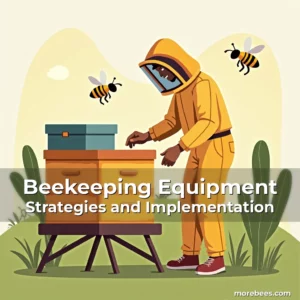
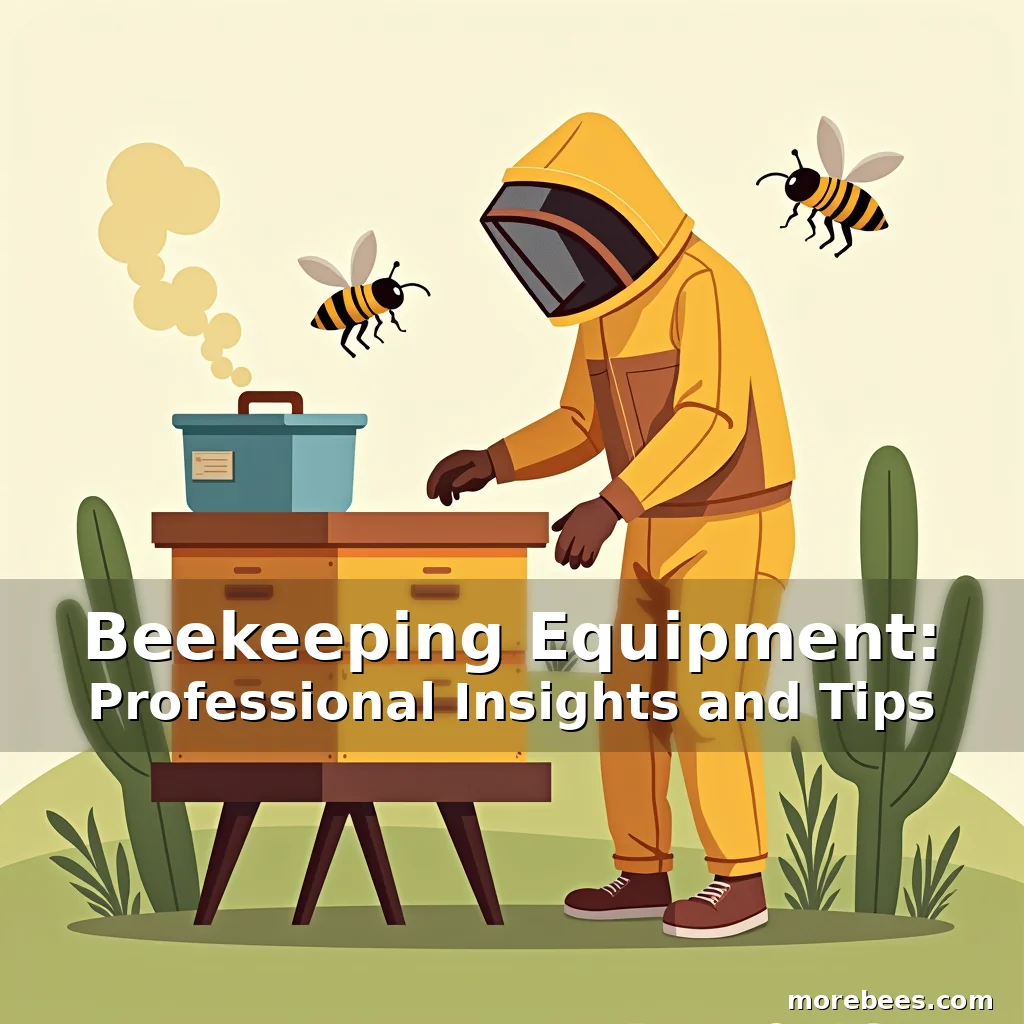
Hive suits come in various styles including full-body coverage options and lighter-weight versions suitable for warmer climates. These specialized garments provide essential barrier protection from both direct stings and residual venom exposure after removals.
- Hive Suit: A breathable yet durable outer layer typically made from cotton or synthetic blends resistant to tearing during routine inspections.
- Ventilated Hood: Offers additional head and neck protection without compromising visibility or airflow through strategically placed mesh panels.
Gloves are another critical component of any beekeeper’s arsenal, serving dual purposes as both protective barriers and tactile interfaces for delicate hive work.
Mitigated by specially designed gauntlets featuring reinforced knuckles and flexible fingertips, these gloves allow precise manipulation of frames while minimizing contact risks associated with handling bees.
Safety glasses protect eyes from unexpected swarms or stray stingers, providing clear vision even under challenging conditions within enclosed spaces such as hives or apiary shelters.
Hive Management Tools: Precision Instruments for Colony Care
Successful beekeeping relies heavily on possessing appropriate tools tailored for specific tasks related to hive maintenance and inspection routines. Each instrument serves distinct functions contributing towards overall colony health monitoring efforts.
Among the most fundamental items found in every beekeeper’s toolkit lies the smoker device which helps calm bees by masking alarm pheromones released when they feel threatened or disturbed.
This handheld apparatus consists of a metal tube connected to a fuel chamber where natural materials like pine needles or dried herbs burn slowly producing gentle smoke plumes effective at reducing aggressive behaviors among worker bees.
Brushes play equally vital roles in daily operations; soft-bristled designs facilitate safe relocation of live bees away from sensitive areas without causing harm or undue stress to individuals being moved.
Additionally, specialized tools exist for extracting comb samples used in diagnosing potential disease issues early-on before they escalate beyond manageable levels.
Selecting Quality Smoking Materials
Choosing optimal smoking substances enhances effectiveness of your smoker unit dramatically increasing chances of successfully managing hive activities safely.
Pine needles offer excellent burning properties yielding consistent low-intensity flames ideal for prolonged sessions whereas aromatic woods may introduce pleasant scents beneficial for calming particularly skittish colonies.
Certain plants known for their insect-repellant qualities also serve double-duty as both fuel sources and natural deterrents against unwanted pests potentially invading managed apiaries.
Regular testing procedures help determine best combinations based upon local climate conditions and seasonal variations affecting bee behavior patterns throughout annual cycles.
Structural Components: Building Your Apiary Infrastructure
Establishing permanent structures dedicated solely to housing beehives requires careful consideration regarding location selection, material choices, and layout configurations promoting efficient workflow processes.
Shelters constructed using weather-resistant lumber treated against rotting ensure longevity while allowing sufficient ventilation necessary for regulating internal temperatures inside confined spaces occupied by thousands of workers simultaneously.
Incorporating adjustable shelving systems enables easy access to individual units facilitating regular checkups required for assessing colony development stages accurately predicting harvest timelines accordingly.
Strategic placement near water sources combined with adequate sunlight exposure creates optimal microclimates supporting robust brood rearing capabilities essential for sustaining productive populations year-round.
Harvesting Equipment: Ensuring Efficient Honey Collection Processes
Once colonies have matured sufficiently following initial establishment phases, attention shifts toward implementing reliable methods for harvesting surplus nectar stored within combs efficiently without disrupting ongoing production cycles prematurely.
Extractors represent key pieces of machinery utilized extensively across commercial operations although smaller scale practitioners might opt instead for manual spinning techniques requiring less investment initially.
These devices operate by applying centrifugal force separating liquid contents from solid matrix structures enabling rapid collection rates compared traditional hand-squeezed alternatives previously favored due limited technological advancements prior decades ago.
Complementary accessories include uncapping knives precisely calibrated to remove wax seals covering filled cells containing ripe stores ready extraction procedures commence effectively.
Disease Prevention Measures: Safeguarding Colony Health Through Proactive Strategies
Maintaining pristine environments free from contaminants remains paramount concern amongst responsible apiculturists aiming prevent outbreaks threatening entire ecosystems dependent upon pollination services provided by domesticated species.
Disinfection protocols involving alcohol-based solutions applied regularly onto surfaces frequently touched during routine visits minimize cross-contamination risks especially prevalent during peak season months characterized heightened activity levels.
Periodic screenings conducted utilizing diagnostic kits detect emerging threats promptly enabling timely interventions preserving long-term viability prospects irrespective external challenges faced annually.
Proper storage facilities equipped with controlled humidity settings preserve medicinal treatments administered prophylactically against common ailments afflicting susceptible strains vulnerable specific pathogens targeting particular anatomical features uniquely present certain sub-species.
Educational Resources & Community Engagement Opportunities Within Beekeeping Circles
Active participation within established networks fosters knowledge exchange opportunities accelerating skill acquisition curves significantly lowering learning curve durations experienced novices embarking journeys exploring apicultural sciences.
Online platforms host vibrant forums where seasoned professionals share insights gained decades cultivating relationships cultivated within tight-knit communities sharing experiences spanning generations now digitized accessible globally instantaneously.
Local meetups organized periodically promote hands-on training workshops focusing practical applications theoretical principles learned academically emphasizing experiential education model enhancing comprehension retention rates considerably.
Collaborative research initiatives undertaken collectively advance scientific understanding underlying complex biological mechanisms governing social organization dynamics observed within highly structured societies inhabiting wooden enclosures maintained human oversight.
Conclusion
Mastering beekeeping demands dedication to acquiring proficiency operating diverse array specialized instruments instrumental successful colony management endeavors.
By investing thoughtfully selected equipment coupled continuous educational pursuits participants cultivate enduring connections fellow enthusiasts fostering sustainable growth movement advocating preservation native pollinator populations critical ecological balance global food security frameworks.

news is a contributor at MoreBees. We are committed to providing well-researched, accurate, and valuable content to our readers.