The Essential Gear Every Beekeeper Needs to Master Their Craft
Beekeeping is an intricate balance of science and art that requires not only knowledge but also the right tools to ensure both safety and success. From protective clothing to hive management accessories, having the correct equipment can make the difference between thriving and struggling as a new keeper.
Whether you’re a beginner setting up your first apiary or an experienced apiculturist refining techniques, understanding what gear to use and how to maintain it is crucial. This guide dives deep into each component of a complete beekeeping setup so you never find yourself unprepared when working with these remarkable pollinators.
The Foundation of Safety: Protective Clothing Essentials
Adequate protection is non-negotiable when interacting with honey bees, whose stings pose serious risks even for seasoned professionals. Proper attire forms the first line of defense against potential hazards while allowing full mobility during inspections and maintenance tasks.
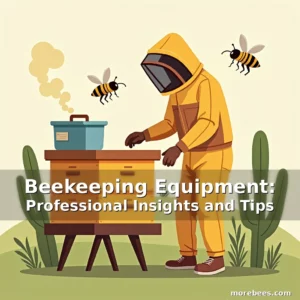
Full-body suits constructed from thick, breathable materials are essential. These typically include a hooded top with attached gloves and leggings forming a seamless barrier. Look for models made from lightweight yet durable fabrics like DuPont Tyvek which offer excellent ventilation without compromising protection levels.
- Ventilation systems: Many modern suits feature built-in cooling mechanisms through strategically placed mesh panels that help regulate body temperature during long work sessions
- Adjustable closures: Quality suits have Velcro straps at the wrists and ankles to prevent gaps where bees might enter, ensuring complete coverage from head to toe
Gloves play a critical role in protecting hands from painful stings while maintaining dexterity needed for precise hive manipulations. Leather options provide superior grip on wooden components whereas nitrile alternatives offer better flexibility for delicate tasks requiring fine motor control.
Faceshields add another layer of protection by preventing direct contact with aggressive swarms or unexpected agitated behavior. Clear polycarbonate shields allow full visibility while deflecting stray stingers before they reach sensitive facial areas.
Helmets with integrated face guards create a unified protective system that covers the entire head area. Some advanced designs incorporate adjustable visors that reduce glare while providing panoramic views inside the hive structure.
Ergonomic Hive Tools: Enhancing Efficiency Through Design
Specialized tools designed specifically for beekeeping significantly enhance workflow efficiency and minimize physical strain associated with repetitive motions involved in hive maintenance activities.
The smoker remains one of the most vital instruments in any beekeeper’s toolkit. By producing gentle smoke that calms bees rather than alarming them, this device helps manage colony temperament during inspections and relocations. High-quality smokers come equipped with adjustable air vents that control smoke intensity based on current conditions.
Brushes tailored for handling live insects differ greatly from regular household versions. Soft bristle brushes with wide heads enable quick removal of bees from frames without causing undue stress or injury to individual specimens. Some models feature extendable handles for greater reach within deep hives.
Uncapping knives represent another indispensable tool used primarily during honey extraction processes. Precision blades designed for cleanly cutting wax caps off honeycomb cells require careful handling to avoid damaging underlying structures containing precious nectar stores.
Pliers and other gripping devices serve dual purposes ranging from opening foundation sheets to manipulating small parts found within hive components. Spring-loaded pliers often prove particularly useful due to their self-retracting action that reduces fatigue over extended periods.
Hive Structures: Understanding Different Types and Materials
Selecting appropriate hive bodies determines much about colony health and productivity since improper construction can lead to structural weaknesses affecting overall performance metrics across various seasons.
The Langstroth hive stands out as the industry standard owing largely to its modular design which allows easy access to individual boxes for inspection purposes. Standard dimensions vary slightly depending upon regional preferences though common sizes measure approximately 19 inches wide x 16 inches tall x 9 inches deep.
Top bars represent alternative configurations favored among certain segments preferring natural building methods reminiscent of traditional practices observed centuries ago. While offering ecological benefits related to reduced human intervention, these setups generally demand higher skill levels regarding management protocols compared to conventional systems.
Materials chosen impact longevity significantly; cedar wood tends to resist rotting better than pine counterparts despite initial costs being somewhat higher. Metal frames reinforced with galvanized steel connectors provide exceptional durability against weather extremes encountered outdoors year-round.
Recent innovations have introduced composite materials combining fiberglass resins with natural fibers creating lighter weight solutions that still retain necessary strength characteristics required under heavy loads typical within commercial operations.
Maintaining Your Equipment: Best Practices for Longevity
Proper upkeep extends lifespan dramatically reducing replacement frequency thereby saving considerable resources over time spans measured in decades rather than mere years.
Cleaning procedures depend heavily on item type; however general guidelines recommend thorough washing after every usage followed by drying completely before storage unless otherwise specified by manufacturer instructions.
Suit maintenance involves periodic inspections checking seams integrity regularly replacing damaged fabric sections promptly. Applying waterproof treatments occasionally enhances resistance against moisture penetration especially relevant in humid climates prone to fungal growth issues.
Tool care focuses mainly on removing residue buildup quickly post-use using mild soap diluted appropriately then rinsing thoroughly with clean water prior placing back into designated containers ready next session.
Drying phases shouldn’t be rushed allowing sufficient time airflow circulation preventing mold development potentially harming future usability values substantially.
The Role of Feeding Systems in Supporting Colony Health
In addition to basic sustenance provided naturally through floral sources, supplemental feeding becomes necessary particularly during lean months when available nutrients fall below optimal thresholds required sustaining healthy populations effectively.
Sugar syrup feeders function similarly to nectar collection stations mimicking nature’s own provision mechanism artificially replicated here indoors or outside locations convenient accessible daily checks possible conveniently done without disturbing active brood chambers unnecessarily.
Feeder types range widely including frame-based units mounted directly onto existing superstructures versus standalone troughs positioned separately adjacent primary living quarters. Selection depends largely upon space constraints combined with personal preference towards ease-of-access considerations.
Water sources remain equally important although sometimes overlooked amidst discussions surrounding food supplies alone. Providing fresh drinking water consistently replenished ensures adequate hydration levels maintained throughout all developmental stages within colonies regardless prevailing environmental conditions faced externally.
Monitoring consumption rates closely enables early detection patterns indicating potential nutritional deficiencies warranting immediate corrective actions before becoming severe enough impacting reproductive capabilities negatively.
Storage Solutions: Keeping Supplies Organized & Accessible
Effective organization strategies transform chaotic clutter into streamlined workflows enhancing productivity gains measurable improvements noticeable almost instantly once implemented properly.
Shelving units customized according to inventory lists optimize vertical spaces maximizing usable footprint minimizing wasted square footage traditionally consumed storing randomly scattered items lacking logical placement sequences.
Labeling systems facilitate rapid identification eliminating guesswork involved searching manually through piles hoping something suitable matches current needs accurately determined ahead of actual requirement instances occurring spontaneously mid-project cycles.
Climate-controlled environments protect sensitive electronics like digital thermometers or hygrometers susceptible degradation caused prolonged exposure fluctuating temperatures humidity levels detrimental preserving accuracy readings reliably obtained repeatedly whenever needed efficiently.
Seasonal rotation policies ensure everything gets utilized fairly reducing chances unused stock piling accumulating dust eventually rendering obsolete irrelevant outdated versions replaced newer improved iterations launched periodically market updates.
Advanced Technologies Transforming Modern Beekeeping
Emerging technologies integrate seamlessly alongside traditional methodologies elevating operational efficiencies previously unimaginable within confines historical approaches confined manual labor intensive processes.
Electronic monitoring devices track real-time data points such as internal temperatures relative humidity levels fluctuating continuously monitored automatically alerting users via mobile notifications when thresholds exceeded predefined limits established beforehand.
Smart hive sensors utilizing IoT connectivity transmit information wirelessly enabling remote diagnostics performed conveniently wherever internet access available facilitating timely interventions addressing problems proactively rather waiting visual signs manifest visibly obvious indicators delayed responses risking irreversible damages incurred meanwhile.
Data analytics platforms compile collected measurements generating predictive models forecasting trends behaviors helping anticipate challenges arising months ahead allowing strategic preparations mitigating negative impacts effectively controlled preemptively instead reactive measures taken retroactively.
Autonomous drones equipped with imaging technology conduct aerial surveys mapping hive layouts identifying structural anomalies detecting diseases visually inspecting hard-to-reach areas safely without direct human involvement exposing hidden dangers otherwise undetectable until significant damage occurred irreversibly compromised colony stability permanently.
Community Resources: Learning & Sharing Knowledge
Engaging actively within local beekeeping communities fosters mutual support networks sharing experiences troubleshooting common difficulties benefiting everyone involved expanding collective wisdom exponentially surpassing individual limitations inherent solitary efforts attempted independently isolated settings devoid peer interactions.
Workshops organized frequently throughout regions offer hands-on training covering topics ranging from basic introductions novice learners curious exploring possibilities discovering whether pursuing seriously viable option worth dedicating considerable attention energy resources invested long-term commitments expected ongoing responsibilities fulfilled diligently consistently.
Online forums connect geographically dispersed members discussing diverse subjects spanning technical aspects practical advice relating everyday challenges encountered varying circumstances influencing decision making processes determining best course actions taken particular situations arose unexpectedly demanding swift resolutions prioritizing swarm survival paramount concern always addressed urgently whenever possible.
Local apiaries welcome visitors seeking mentorship opportunities learning firsthand observing professional setups gaining insight understanding intricacies behind successful operations developed over years cultivating expertise refined through continuous experimentation adapting evolving standards dictated changing environmental factors shaping outcomes significantly affected accordingly.
Participating events such as festivals showcases latest advancements demonstrating innovative products services available marketplaces promoting sustainable practices encouraging environmentally conscious choices contributing positively ecosystems preserved protected thriving harmoniously coexisting alongside human endeavors undertaken responsibly ethically guided principles upheld steadfastly throughout journey beekeeping pursuits embraced enthusiastically wholeheartedly.
Conclusion
Mastering beekeeping begins with equipping oneself with reliable gear tailored precisely toward specific goals aspirations pursued individually distinct paths unfolding uniquely shaped personal journeys traversed step-by-step progressively acquiring deeper comprehension broader horizons explored continually expanding repertoire skills acquired invaluable assets contributing positively global pollination initiatives safeguarding biodiversity preserved nurtured sustainably cultivated flourishing generations ahead.
By investing thoughtfully selecting quality equipment maintaining diligently applying technological advances embracing communal learning opportunities beekeepers position themselves optimally succeed thrive fulfilling rewarding roles guardians nature entrusted stewardship duties faithfully discharged honor respect given responsibility bestowed cherished opportunity participated enthusiastically throughout life’s adventures embarked upon courageously.

news is a contributor at MoreBees. We are committed to providing well-researched, accurate, and valuable content to our readers.