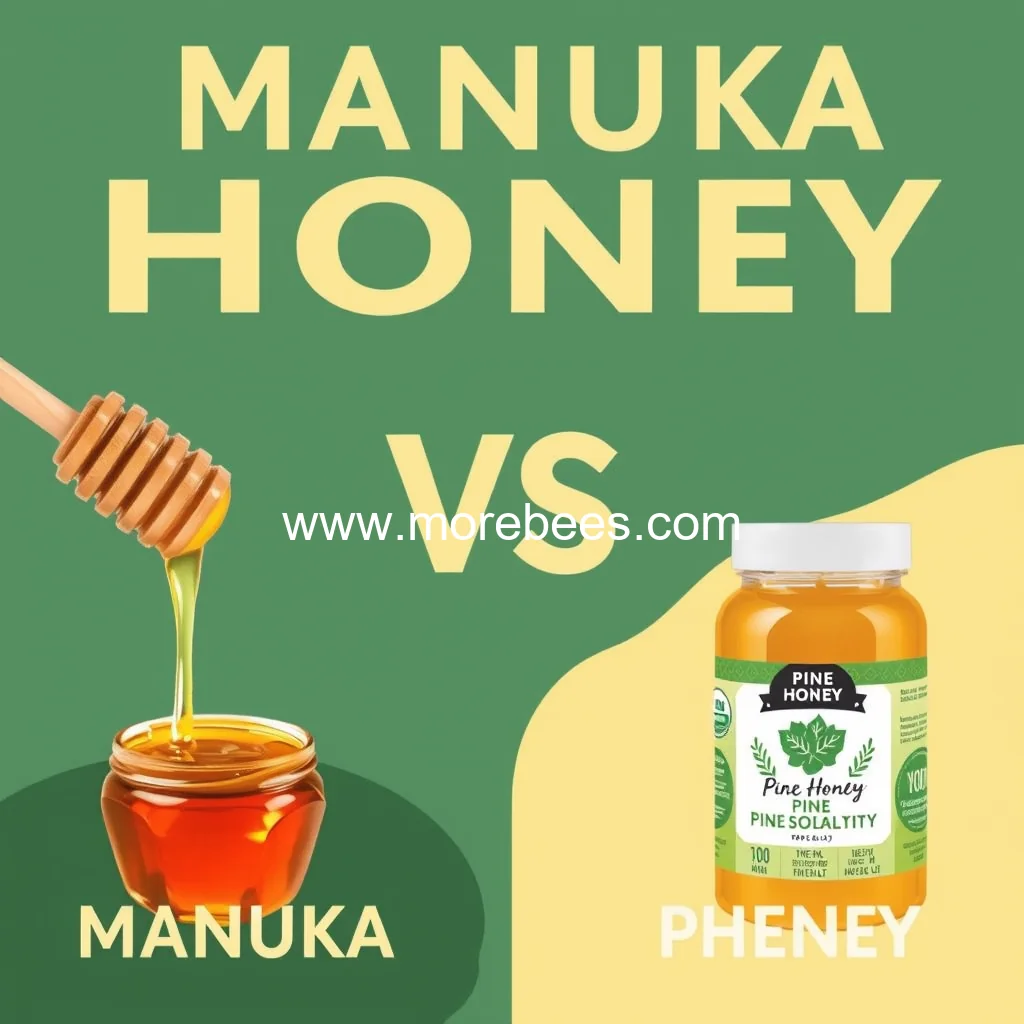
Pine honey is harvested from the nectar of pine trees, primarily in the mountainous regions of Greece and Turkey. The unique combination of climate, soil, and tree species creates a distinct flavor profile that is both earthy and slightly sweet.
The Unique Flavor Profile of Pine Honey
Pine honey is often described as having a robust, full-bodied flavor that is both earthy and slightly sweet. The phenolic content of pine honey is significantly higher than that of other honeys, which contributes to its distinct flavor profile. The phenolic compounds present in pine honey are responsible for its astringent taste and its ability to soothe digestive issues. Key characteristics of pine honey: + Robust, full-bodied flavor + Earthy and slightly sweet taste + High phenolic content + Astringent taste + Soothing digestive issues
The Production Process of Pine Honey
Pine honey is produced through a labor-intensive process that involves harvesting nectar from pine trees in the mountainous regions of Greece and Turkey.
Pine honey’s unique flavor profile and nutritional benefits make it a sought-after ingredient in the culinary world.
Pine honey is not made from nectar, and it does not contain any pollen or propolis, unlike other types of honey. It has a distinct aroma and flavor, often described as piney, earthy, and nutty.
The Elusive Pine Honey
Pine honey, also known as Marchalina hellenica honey, is a rare and highly prized type of honey produced by the Marchalina hellenica bee. This unique honey is characterized by its distinct flavor and aroma, which is often described as sweet and floral.
Characteristics of Pine Honey
Production and Availability
The Marchalina hellenica bee is found in a few specific regions, including Greece, Turkey, and parts of Eastern Europe.
Turkish beekeepers face a sticky situation with the export of pine honey.
This led to a significant loss of revenue for Turkish beekeepers.
The Rise of Pine Honey in Turkish Beekeeping
Pine honey, also known as “çam balı” in Turkish, has been a staple in Turkish beekeeping for centuries. The unique flavor and aroma of pine honey have made it a favorite among honey connoisseurs worldwide. However, the export of pine honey has been a contentious issue for Turkish beekeepers.
The Challenges of Exporting Pine Honey
The main challenge Turkish beekeepers face is the lack of standardization in the analysis method used to determine the quality of pine honey. European countries, in particular, have been rejecting Turkish pine honey at customs due to the differences in analysis methods.
The Impact on Turkish Beekeepers
The bees collect nectar from pine trees and store it in honeycombs, which are then sealed and left to mature. The honey is extracted from the honeycombs using a centrifuge or a manual press. The resulting honey is a sweet, viscous liquid with a distinct pine flavor and aroma.
The Decline of Pine Honey Production
The production areas for pine honey are shrinking due to forest fires in the region and the effects of global climate change. This has resulted in a significant decline in the availability of pine trees, which are the primary source of nectar for the bees. As a result, the number of pine honey producers is decreasing, and the industry is facing a major crisis.
Factors Contributing to the Decline
Several factors are contributing to the decline of pine honey production. These include:
The director, who has been working in the industry for over 20 years, has been actively involved in the efforts to preserve the pine honey bee population. He emphasizes the importance of the pine honey bee population in the region, stating that it is a vital component of the ecosystem and plays a crucial role in pollination.
The Importance of Pine Honey Bees
Pine honey bees are a vital component of the ecosystem in the region, playing a crucial role in pollination.
Pine honey is a type of honey that is produced by bees from the nectar of pine trees. It has been used for centuries in traditional medicine and has been shown to have numerous health benefits.
The Unique Properties of Pine Honey
Pine honey is known for its unique properties, which set it apart from other types of honey. Some of the key characteristics include:

news is a contributor at MoreBees. We are committed to providing well-researched, accurate, and valuable content to our readers.


