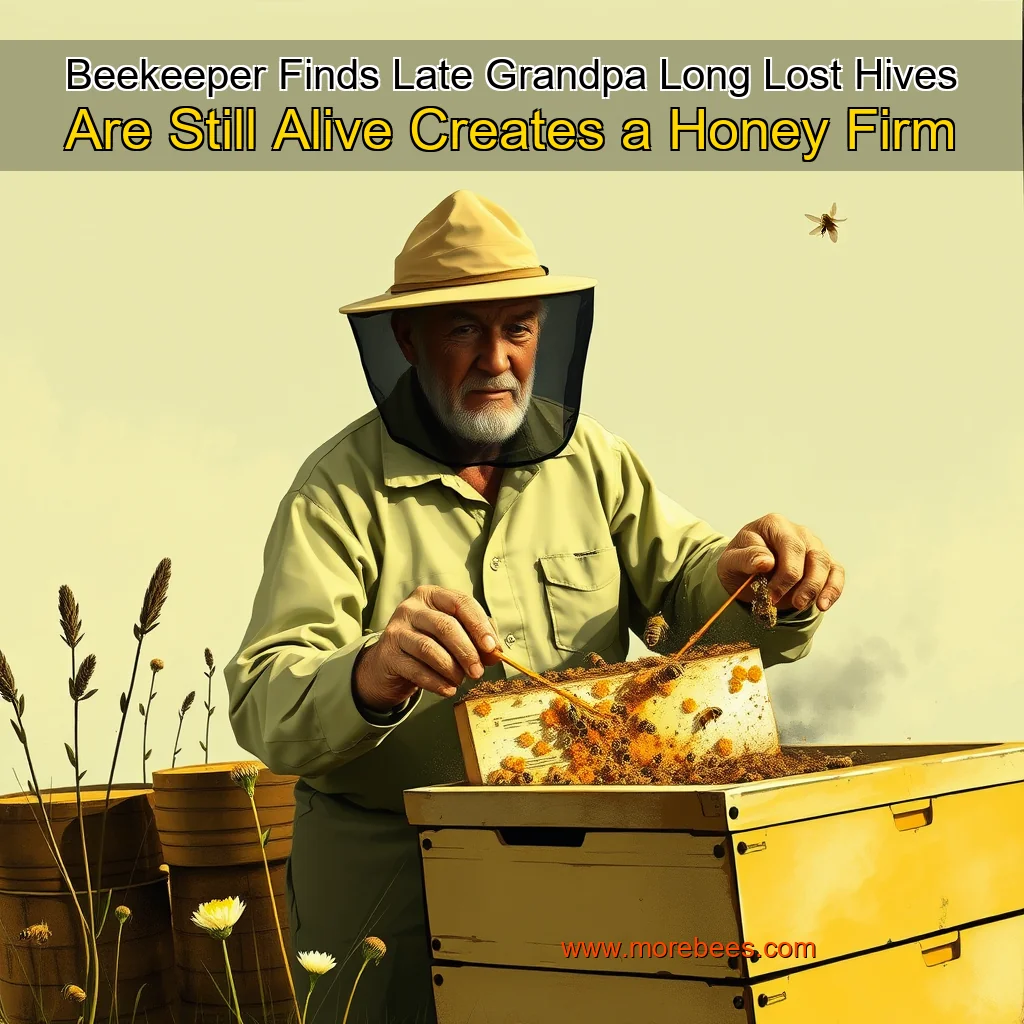
However, he discovered that his grandfather had left him the bees and the hives in his will.
The Unexpected Inheritance
Ross’s life took a dramatic turn when he inherited the bees and the hives from his grandfather.
He then began to experiment with different types of flowers and plants to see how they affected the bees. He discovered that certain plants were toxic to the bees and others were beneficial.
But I had never actually kept bees before. I was a bit nervous about the first day of beekeeping, but I was excited to learn and get started.
Getting Started with Beekeeping
As I arrived at the bee yard, I was greeted by the beekeeper, who introduced himself as John. He showed me the different types of equipment and explained the basics of beekeeping. I was amazed at how much equipment was needed to keep bees healthy and happy. *Some of the equipment included:**
John explained that the smoker was used to calm the bees by producing a smoke that confuses them and makes them less aggressive. He also showed me how to use the hive tool to open the hive and inspect the frames. I was fascinated by the different types of bees and the way they worked together to create honey.
The First Inspection
As we made our way to the first hive, John explained the importance of inspecting the hive regularly. He showed me how to check for signs of disease, pests, and other issues that could affect the health of the bees. *Some of the things we looked for included:**
As we inspected the hive, I was amazed at how much work the bees were doing to create honey. I saw the different types of honeycomb and the way the bees were working together to create it.
I had no idea what I was doing, but I was determined to learn. I had heard of the concept of’mindfulness’ before, but I had never actually practiced it. I had always been a bit skeptical about the idea of being present in the moment, but I was willing to give it a try.”
The Journey Begins
As I stepped into the world of mindfulness, I was immediately struck by the vastness of the subject. It seemed to encompass everything from meditation and yoga to breathwork and physical movement. I felt overwhelmed, but also excited to explore this new territory.
What is Mindfulness?
Harnessing the Power of Bees for Honey, Community, and the Environment.
The Art of Beekeeping
Beekeeping is a centuries-old practice that has been passed down through generations. The art of beekeeping involves the careful management of a colony of honey bees to produce honey, beeswax, and other valuable products. Beekeepers must be skilled in the art of bee behavior, nutrition, and health, as well as the ability to protect the bees from pests and diseases.
The Benefits of Beekeeping
The Process of Beekeeping
Hands-on Experiences
Main’s Apiaries offers hands-on beekeeping experiences for those interested in learning the craft. Participants can learn about the art of bee behavior, nutrition, and health, as well as the process of harvesting honey and beeswax. These experiences provide a unique opportunity for individuals to gain hands-on experience and develop their skills.
Selling Bee Colonies
Main’s Apiaries also sells bee colonies to businesses interested in hosting hives on their land. This provides a unique opportunity for businesses to support local beekeepers and promote sustainable agriculture.
Corporate Partnerships
The Bee Keepers offers a unique opportunity for corporate companies to partner with them. This partnership allows companies to have hives on their land, providing a unique and innovative way to engage with their employees and promote their brand. Here are some benefits of partnering with The Bee Keepers:
I was fascinated by the way they communicated with each other, and I realized that they were not just individual creatures, but a collective entity.
The Power of Collective Communication
The concept of collective communication is not unique to bees. Many other species, such as ants, dolphins, and even humans, exhibit complex social behaviors that rely on communication. However, the way bees communicate is particularly fascinating due to its simplicity and efficiency. Bees use a variety of signals, including pheromones, body language, and even sound waves, to convey information to each other. Pheromones are chemical signals that are released by bees to convey specific messages, such as the location of food or the presence of predators. Body language plays a crucial role in bee communication, with different postures and movements conveying different meanings.
“I think it’s a testament to the fact that with hard work and determination, anything is possible.”
The Power of Self-Directed Learning
Ross’s story highlights the power of self-directed learning, where individuals take charge of their own education and development. This approach has been gaining popularity in recent years, with many people recognizing the benefits of taking ownership of their learning. Key benefits of self-directed learning include:
- Increased autonomy and self-motivation
- Personalized learning tailored to individual needs and interests
- Flexibility and adaptability in learning environments
- Cost-effectiveness and reduced reliance on traditional institutions
- A willingness to listen and offer constructive feedback
- A deep understanding of the individual’s goals and aspirations
- A commitment to providing ongoing support and guidance
- A willingness to adapt and evolve alongside the mentee
The Importance of Mentorship
While self-directed learning is powerful, it’s not without its challenges. One of the most significant hurdles is finding the right guidance and mentorship. Ross credits his grandfather with providing valuable guidance and support throughout his journey. Characteristics of effective mentorship:
The Role of Community and Networking
Another crucial aspect of self-directed learning is the importance of community and networking. Ross has been fortunate to connect with like-minded individuals who share his passion for the trade.
But I think it’s also hard to see him go. He was a part of our team, and we had to say goodbye to him. It was a tough time for all of us, but we had to be strong for him. We had to be strong for him because he was a part of our team, and we had to support him through the tough times. We had to be strong for him because he was a friend, and we had to be there for him.

news is a contributor at MoreBees. We are committed to providing well-researched, accurate, and valuable content to our readers.


